Can a foldable electric scooter make walking-heavy days more manageable?
Yes. When walking starts to feel tiring, a lightweight foldable electric mobility scooter can give short outings a different shape: less distance on foot, more time spent at the destination, and a clearer way to stay independent. The useful part is not speed. It is having a portable seat and powered movement available when a shop, park, station, or family visit involves more ground than expected.
That answer comes with a practical condition. A scooter works best when the trip is planned around real limits, not around the wish to do everything in one go. Pavement quality, turning space, kerbs, gradients, storage, charging, and the time needed to fold or unfold the machine all matter. A compact electric mobility scooter is most helpful when it fits the places a person actually goes, rather than only looking convenient at home.
Why walking can become the limiting factor
Fatigue does not always announce itself before a trip. It can build through a morning of errands, a long queue, a busy shopping aisle, or a route with small hills and uneven paving. For someone who wants to keep making their own choices, the problem is rarely one single step. It is the accumulation of steps, stands, turns, and decisions about whether there is enough energy left to get back.
A powered scooter changes that calculation. It offers a seat when standing becomes uncomfortable and reduces the physical cost of covering ground. That can make the difference between declining an invitation and going for a shorter, calmer visit. It can also help with practical tasks, such as reaching a pharmacy, moving around a large store, or getting across a level outdoor area without saving all effort for the return journey.
The benefit is not limited to distance. Familiar controls and a predictable riding position can make outings feel more settled. A steering tiller gives direction and a place to rest the hands, while the control panel keeps speed and power information within view. On a well chosen route, the rider can focus more on the destination and less on whether each step will be manageable.
What "portable" should mean in daily life
Portability is easy to say and harder to judge without thinking through the whole trip. A scooter may fold neatly, but that only helps if it can be lifted, rolled, or carried in the way the rider can manage. The weight, the folding action, and the space it occupies in a car boot all affect whether it becomes a normal part of life or stays in the house.
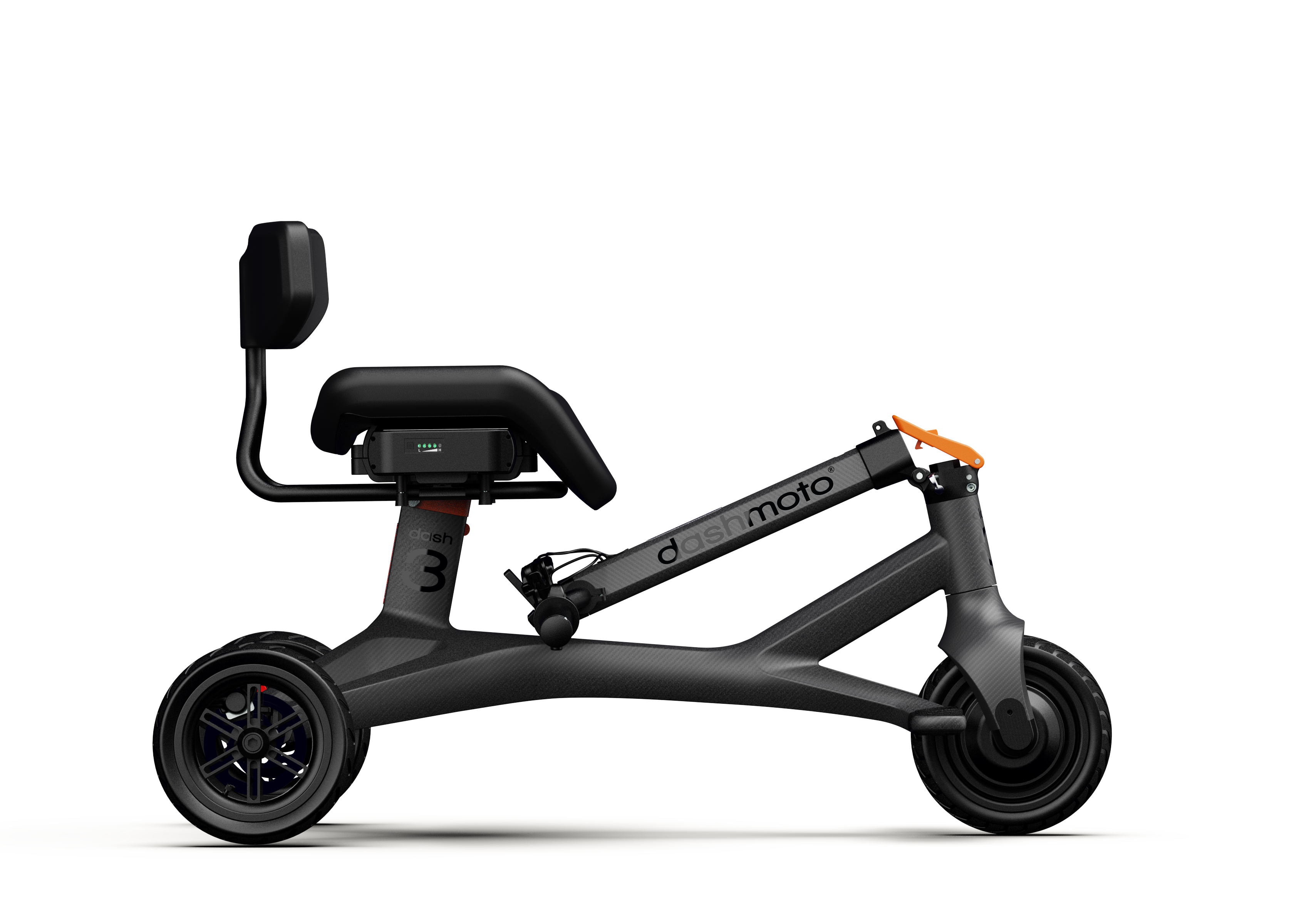
Start with the places where it will be used most often. A scooter for local pavements and shops has different demands from one intended for trains, flights, or small apartments. Narrow aisles, tight lifts, café tables, and hallway corners can be more awkward than a long open path. A machine that is easy to unfold outdoors may still be frustrating if it must pass through a small doorway at home.
Think about the transition points too. Getting from a car seat to the scooter seat, moving over a threshold, or managing a curb can take planning. The smoothest arrangements are usually the boring ones: a clear parking space, a level place to transfer, and a route that avoids sudden changes in surface. These details may sound small, but they shape whether independent travel feels easy or like a task in itself.
A compact electric mobility scooter can suit this pattern because it is designed around portable everyday transportation. Still, the rider's own strength, balance, reach, and confidence need to match the model. A lighter frame may be easier to move but can feel less steady to some users. A larger seat may feel better but add bulk. The right choice is a balance, not a single feature.
Comfort and control before distance
Advertised range often attracts attention, yet most users care about what happens during the first few minutes of a trip. Seat support affects how long someone can sit comfortably. Foot space matters when legs need a stable place to rest. The steering tiller should feel reachable without forcing the shoulders forward. Controls should be simple enough to use without a long pause, especially in a busy street or at a shop entrance.
Speed control deserves the same care. A slower setting may feel safer indoors and around pedestrians, while a higher setting can help on a clear, smooth path. The best approach is to use lower speed in crowded or unfamiliar places and increase it only when the surface, space, and traffic allow. Braking should feel predictable, and the rider should know how the scooter responds when the control is released.
Visibility also plays a part. Riders need to be seen by pedestrians, cyclists, and drivers, and they need to see kerbs, slopes, and obstacles clearly. Daylight makes route hazards easier to spot, while dusk and poor weather reduce reaction time. Bright clothing or a simple visible marker can help, but avoiding confusing or crowded routes is often more useful than relying on others to notice.
Any sign of trouble with the braking system, unusual noise from the wheels, cracked parts, or unreliable controls should be treated seriously. Those are not problems to patch in a casual way. A qualified professional should inspect mechanical or electrical faults, particularly anything involving power, brakes, or structural parts. Simple visual checks between trips are sensible, but repairs beyond basic cleaning and inspection belong with someone trained to handle them.
Planning a route that fits the machine
Route planning is less formal than it sounds. It can be a quick mental check before leaving: where are the smooth paths, which entrances have step-free access, where can the scooter be parked without blocking a doorway, and what is the route home if the first option is closed. The aim is not to avoid every challenge. It is to remove avoidable problems so the remaining trip stays comfortable.
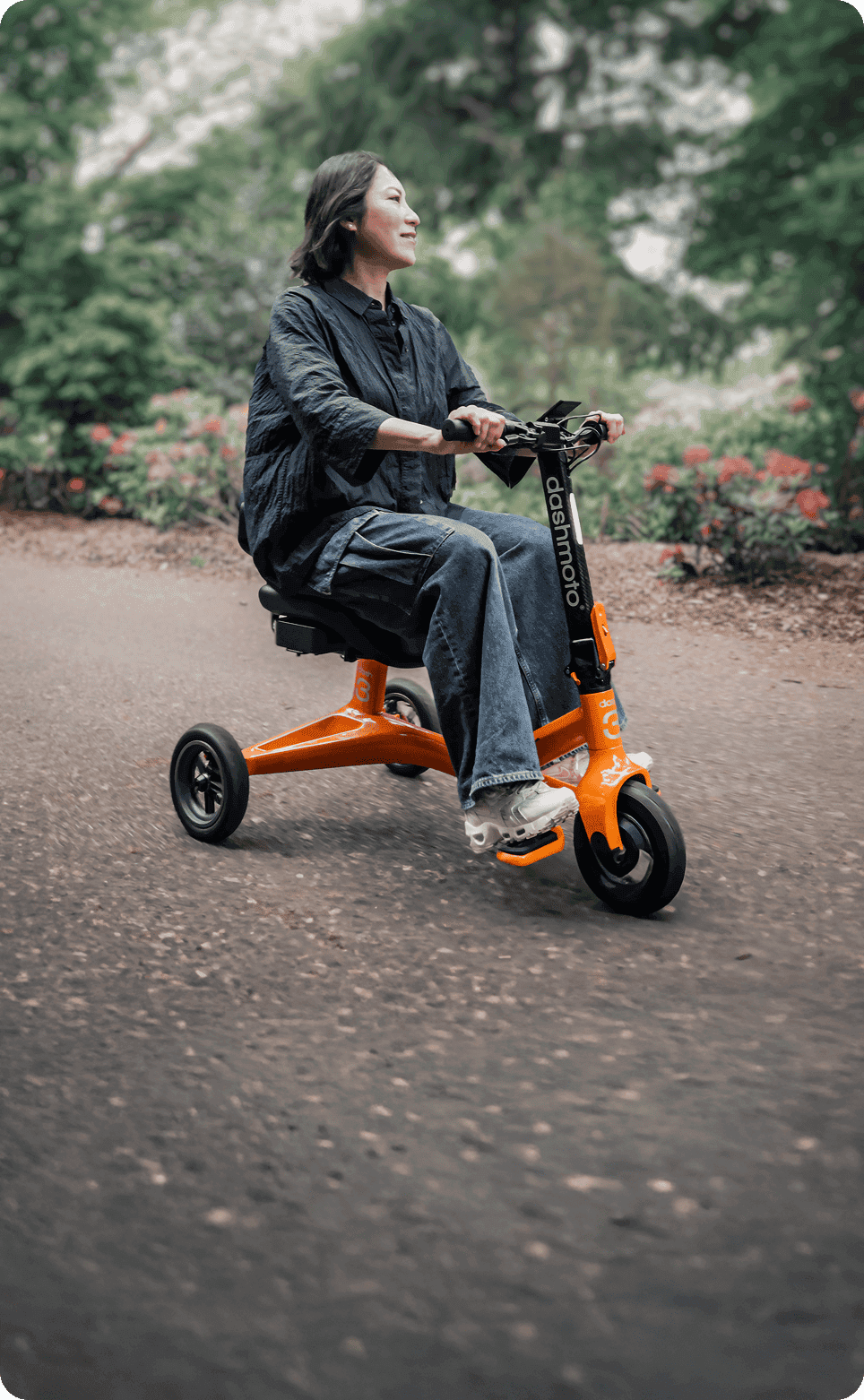
Surfaces deserve special attention. Loose gravel, deep paving gaps, wet leaves, and steep cambers can make a short journey feel demanding. Kerbs are another common barrier. Some places provide dropped kerbs and ramps, while others leave a rider with few good choices. If a route includes a steep slope, it is worth considering whether the scooter can manage it safely with the rider on board and whether coming back down feels controlled.
Indoor spaces bring their own issues. Supermarkets, libraries, and community buildings may have enough room in theory, yet displays, queuing ropes, or temporary signs can narrow the path. Entering at a quieter time can make the trip easier. It also gives the rider more space to turn and reverse without pressure from other people.
Public transport can extend independence, but it adds more handoffs. Platform gaps, lift availability, boarding angles, and staff procedures can all affect the journey. Before relying on a scooter for a transport link, it helps to check the access rules and dimensions for that service. The scooter may be suitable in many settings, but each operator may have its own conditions.
Charging, storage, and the quiet routines that help
A scooter is more useful when charging is part of a simple routine. Leaving it with too little power before an outing can turn a short trip into a worry. A regular habit, such as charging after returning home, reduces the chance of a surprise. The exact timing depends on the model and battery type, so the manufacturer's instructions should guide the routine.
Charging should take place in a dry, stable area with the correct charger and enough space around the scooter. Cables should not be left where people can trip over them. If a battery becomes unusually hot, swollen, damaged, or fails to hold a charge, stop using that setup and seek professional advice. Electrical faults are not a do it yourself repair job.
Storage is equally practical. A foldable scooter kept near a doorway may be convenient, but it should not block an exit or become a hazard in dim light. In a car, it needs to sit securely so it cannot slide during travel. In the home, it needs a consistent spot where the rider can reach it without stretching, bending, or moving heavy furniture.
Weather affects both comfort and equipment. Rain can reduce grip and make controls harder to use with cold hands. Wind can push a light scooter off line, especially on open paths. Heat can make longer trips tiring even when the riding distance is short. Choosing a shorter route in difficult weather is not a setback; it is sensible planning.
Knowing when the scooter is the right tool
A scooter can support independence, but it does not solve every mobility problem. It needs suitable surfaces, enough space, and a rider who feels confident using the controls. If walking is tiring because of a temporary injury, a short-term mobility aid may be more appropriate. If fatigue is new, worsening, or linked with pain, breathlessness, dizziness, or weakness, medical advice should come before relying on any device.
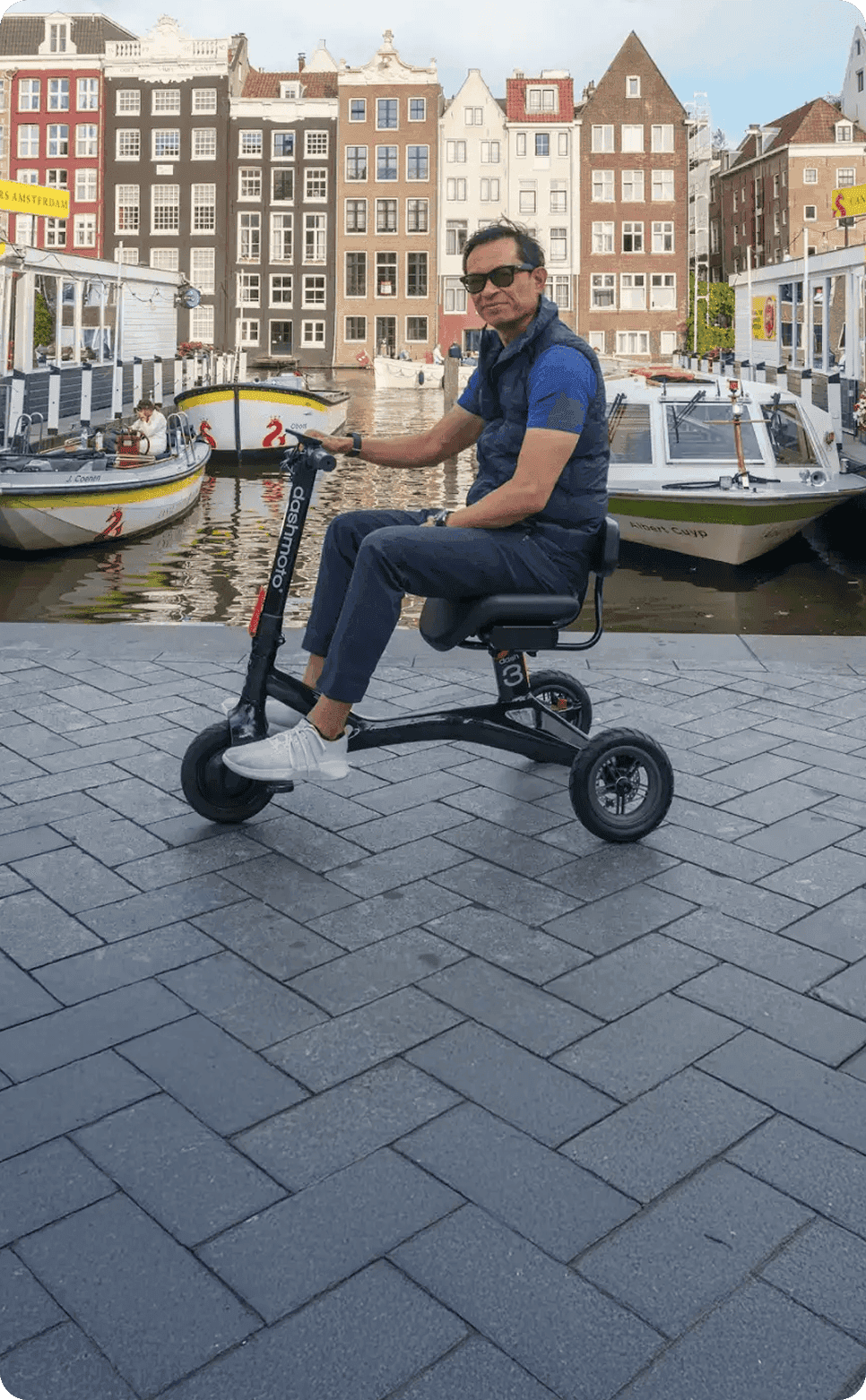
It is also worth separating the scooter's role from the role of a walking aid. Some people move between aids depending on the setting. A walker may be better inside a narrow home, while a scooter may be better for a long garden path or local shops. This is not failure or overcomplication. Different tools solve different problems.
The most useful question is simple: will this make the places I want to go more reachable without creating new risks? If the answer is yes, the next step is to match the scooter to the rider and the routes. Check the seat, controls, folding method, weight, storage space, and charging routine. Keep early trips short and familiar. Confidence grows when the equipment behaves predictably and the route feels manageable.
Independent travel often depends on small, repeatable choices. A foldable electric mobility scooter can help when walking becomes tiring, provided it is chosen with honest attention to daily life. The goal is not to go further at any cost. It is to keep taking part, with less strain and fewer moments where fatigue decides everything.